Vietnamese music is entering a new era.
Artists are increasingly drawing on the country’s cultural roots while embracing modern global influences.
From the international expansion of V-pop, to the high-energy cultural movement of Vinahouse, Vietnam’s music scene is embracing a new sense of authenticity and innovation.
Whether through the intricate storytelling of local rap or the entrepreneurial spirit of the maturing indie scene, Vietnamese artists are increasingly leveraging their unique heritage to craft a sophisticated, globally competitive sound that resonates both at home and abroad.
Key takeaways
• Music reality shows and traditional melodies are reshaping mainstream pop
• Vinahouse has shifted from a niche genre into a cultural movement
• Rap and hip-hop have become powerful storytelling tools through the Vietnamese language
• Digital platforms and a DIY spirit are helping the indie scene grow

I think Vietnam just had some time to explore itself and what Vietnamese music sounds like.”
Dan Nguyen
Artist, DJ and Producer
How V-pop is going global
V-pop is continuing its international expansion while forging a distinctive identity.
A major catalyst for this growth has been the surge of reality TV survival franchises, which have driven viral engagement and increased demand for large-scale live events throughout 2024 and 2025.
Hit production shows like "Em Xinh Say Hi" and "Anh Trai Vượt Ngàn Chông Gai" have accelerated the growth of Vietnam’s idol and concert culture. National-scale events now regularly draw between 25,000 and 50,000 spectators [1].
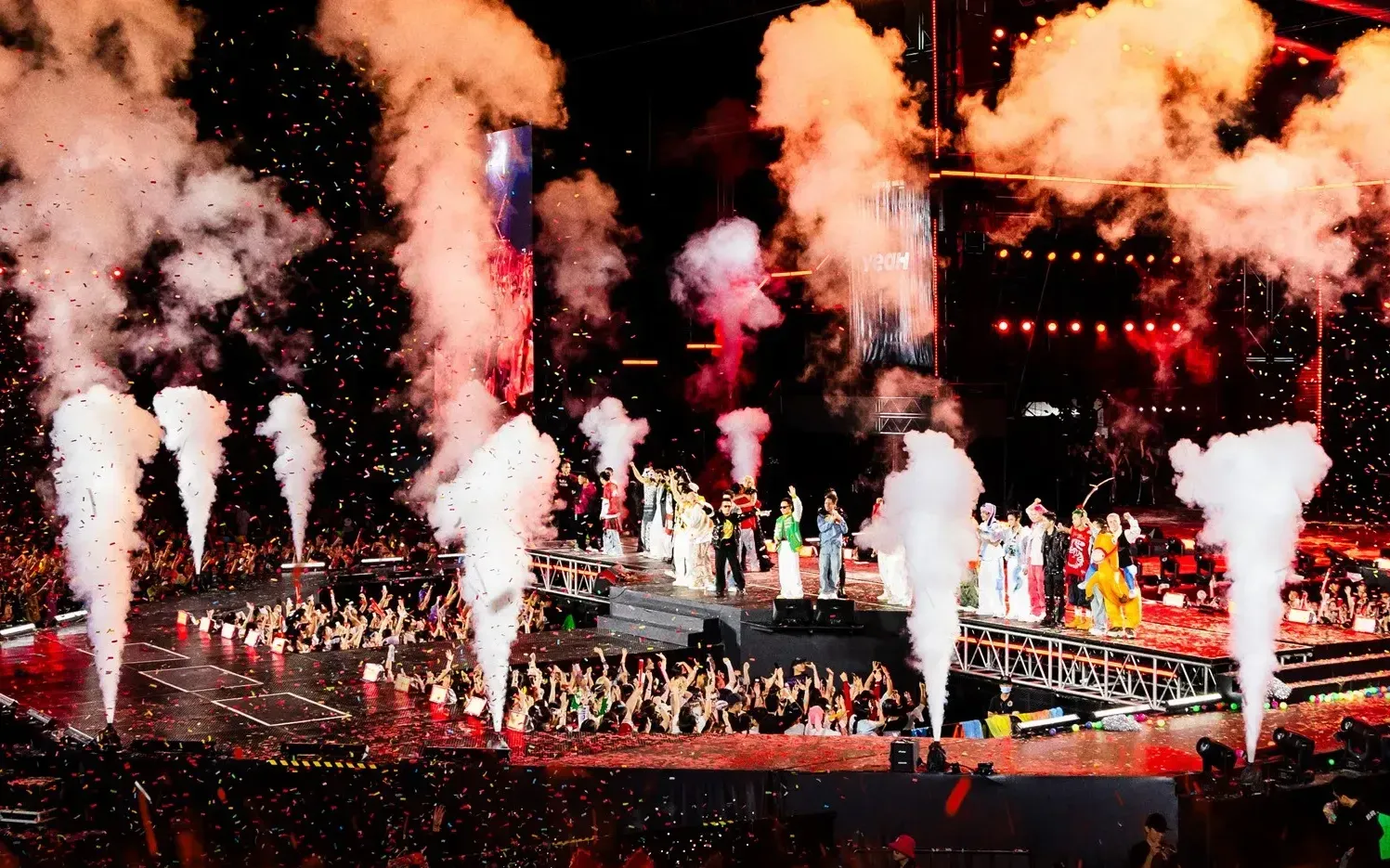
A glimpse into Anh Trai Vuot Ngan Chong Gai's concert
But the growth of V-pop is also driving a wider creative shift.
While V-pop continues to embrace global trends and high-quality production, a new generation of artists is blending these influences with traditional Vietnamese elements.
By leaning into this sound, artists are finding new ways to bring Vietnamese culture into modern music. Traditional elements are being reworked to create music that feels distinctly Vietnamese while still appealing to a modern audience.
This is helping V-pop build a stronger identity at home, as well as giving Vietnamese music greater visibility on the global stage.

Vinahouse: The sound of modern Vietnam
Vinahouse is far more than a niche genre. It has become a cultural movement and a source of national pride. It represents the sound of modern Vietnam.
As Flow.D notes, Vinahouse functions as a "mindset" woven into the fabric of daily life, from local street markets to bustling coffee shops.
Originating in the 1990s as a high-energy form of House music known as “nhạc sàn” (dance floor music), the genre is built on a driving 140-150 BPM foundation [2]. It combines the emotional DNA of classic Vietnamese ballads with elements of EDM, trance and techno.
The result is what Flow.D describes as “ear candy,” a sound that transforms familiar, sentimental songs into high-energy anthems.
However, the genre’s greatest strength is its versatility.

No matter what kind of pop ballad or any type of song, they can be remixed into Vinahouse, that is the beautiful thing.”
Flow.D
Beatboxer and Looper
By combining familiar Vietnamese melodies with global electronic sounds, Vinahouse has created a distinctive sound that remains deeply rooted in Vietnamese culture.
The art of Vietnamese rap and hip-hop
Hip-hop only arrived in Vietnam during the 1990s due to overseas influence.
Initially met with public skepticism, the scene has since matured into a powerful vehicle for cultural expression that resonates deeply with local audiences [3].
As with V-pop, reality competitions have played a major role in rap’s rise, most notably “Rap Việt”. The show helped bring underground artists into the spotlight and provided a stage for young talents.
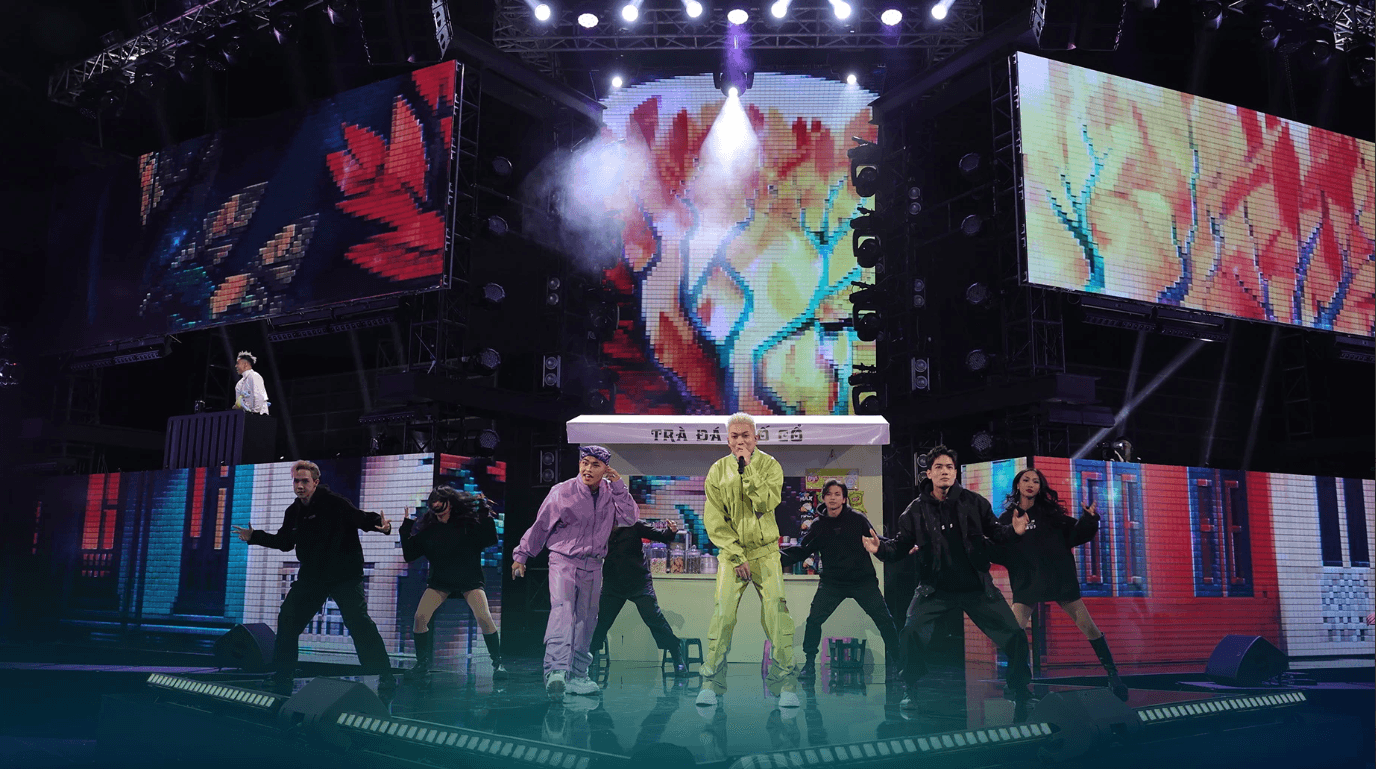
A performance from season 3 of Rap Viet
Today, rap tracks regularly dominate local digital charts and YouTube trending lists, reflecting the genre’s growing popularity.
Central to this success is the unique versatility of the Vietnamese language. Its tones, wordplay and expressive nature makes it a powerful tool for storytelling and cultural commentary.
As Vo, Duc Anh, co-founder of Hanoi Rock City, notes, rappers are “the best people who are using the language right now” [4].
This is underpinned by a profound shift toward authenticity. Creatives are increasingly drawing on personal experience, identity, and raw emotion rather than superficial themes.
By grounding their work in the values of peace, love, and unity, the thriving Vietnamese hip-hop community is no longer mimicking Western trends, it is redefining the sound of modern Vietnam.

The rise of Vietnamese Indie
Driven by Gen Z and the rise of digital streaming, Vietnam’s indie scene is undergoing a profound transformation.
The journey began in 2015 with SoundCloud, before platforms like Spotify opened up new opportunities for artists from 2018 onwards.
These platforms offered greater exposure, copyright protection and the tools for “bedroom producers” to create high-quality music from home [4].
Vietnamese indie is often associated with acoustic singer-songwriters, but the scene is far more diverse and vibrant. Strong DIY ethos allow artists to manage their own work and maintain creative control, without having to rely on traditional labels.
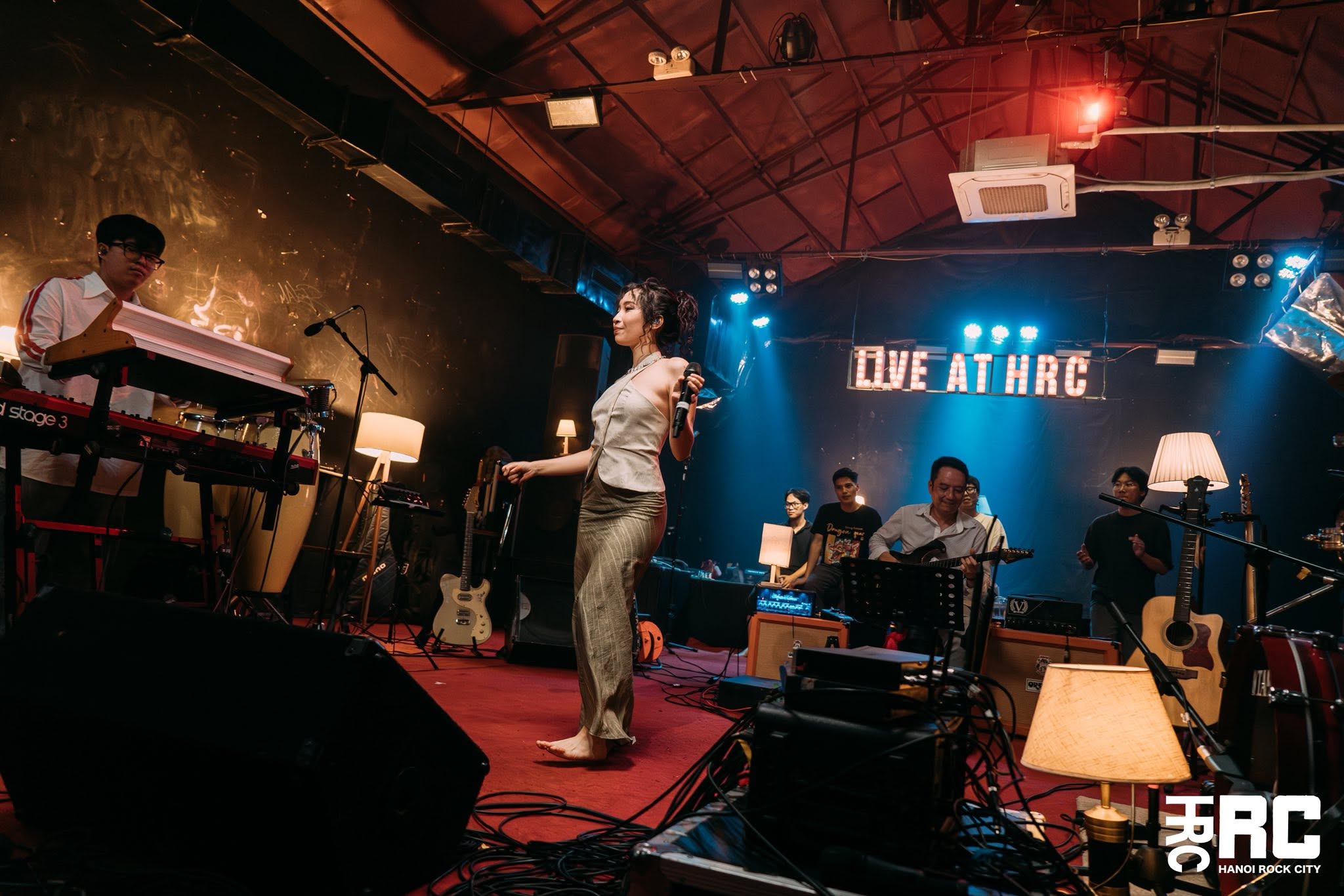
A live session "Rhythm of the Red Room" at Hanoi Rock City
As communities develop distinct identities, the scene has become a space for more experimental and original material. Because many musicians balance their art with other professions, they enjoy the freedom to create for themselves rather than catering to mainstream commercial formulas.
Consequently, artists are investing more in the quality of their production and live performances [6].
By prioritising personal expression and creative freedom, Vietnam’s indie artists are growing beyond the niche and bringing new sounds to the country’s music scene.
What's next for the Vietnamese music industry?

If Vietnam wants to expand in some way, it needs to study these roots. It's so important to preserve it by evolving.”
Nodey
Music producer
Looking ahead, Vietnam's music industry still has significant room for growth.
As live events evolve into premier attractions for both domestic and international audiences, and digital platforms bridge the gap between local artists and global listeners, Vietnam is increasingly recognised as a regional cultural powerhouse.
The future of Vietnamese music will depend on finding the right balance between embracing new influences and staying connected to its roots.
With this approach, the next generation of artists can ensure Vietnamese music remains both globally competitive and authentically Vietnamese.

Sources
[1] RMIT University: Vietnam Music Landscape 2025-2026
[2] Da Nang Leisure: Vinahouse In A Nutshell and All You Need to Know About It
[3] Vietnam News: Rock and rap: alive and well in Việt Nam
[4] You Don’t Know Vietnam: Hanoi Rock City’s DA on 12 years of setting the stage for Vietnam’s indie scene
[5] Taylor & Francis: It’s new, it’s revolutionary, and it’s modern: Vietnamese indie music in the age of digital streaming platforms
[6] Vietnam.vn: The journey of an independent artist in pursuing music